
Key Takeaways
- Sudden slowdowns, close following, and abrupt lane changes on the Garden State Parkway can turn a single collision into a multi-vehicle crash, which makes fault harder to sort out.
- If a road hazard such as a pothole, debris, or a defective guardrail contributed to the crash, a claim against the public entity responsible for the road may require a written notice within 90 days, far sooner than New Jersey’s two-year deadline for most injury lawsuits.
- Prompt medical care, detailed notes on the crash location, and a copy of the official crash report can help protect your claim.
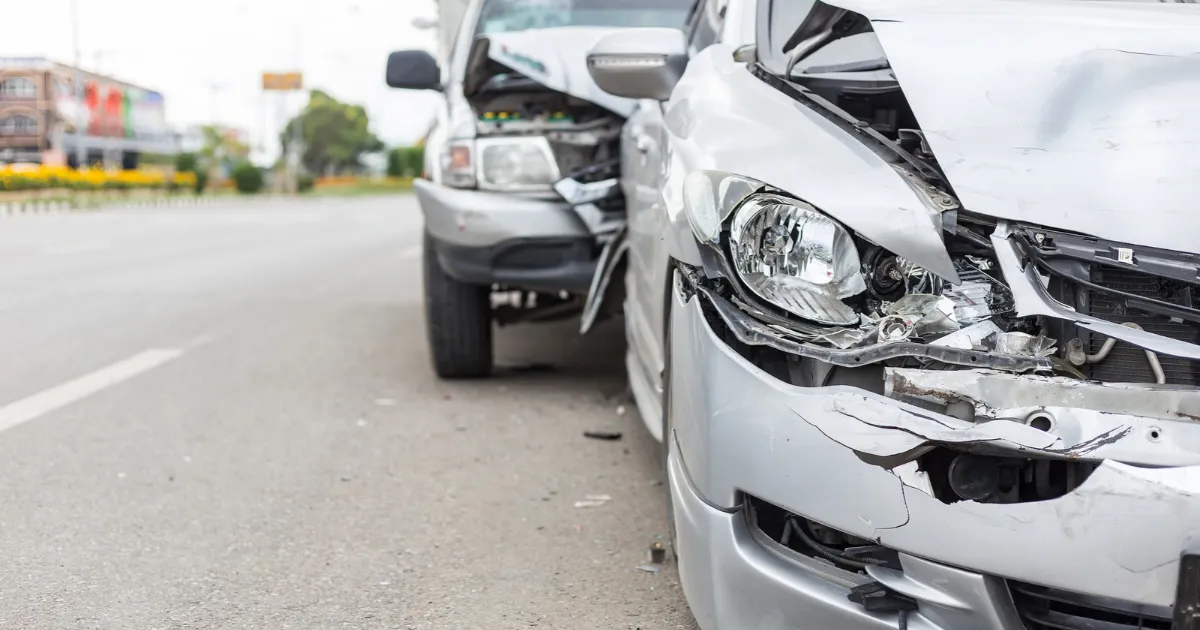
A Garden State Parkway car accident near Paramus can start with one driver braking hard for traffic and end with several vehicles involved. Congestion near the Paramus interchanges, short merges at entrance and exit ramps, and drivers changing lanes to reach Route 4 or Route 17 all leave little room for error. When multiple impacts occur within seconds, determining who caused each one depends on the evidence gathered in the hours and days that follow.
These claims can also be more complex than a typical crash on a local road. Beyond the conduct of the other drivers, a Parkway claim may involve several insurance policies and, in some cases, a roadway condition that is the responsibility of a public agency. Because claims against public entities follow different rules and shorter notice deadlines, it is important to identify early on who may be responsible and why. A police crash report is a useful starting point, but it is not the final word on fault.
What Causes Frequent Crashes on the Garden State Parkway Near Paramus?
Many crashes on the Garden State Parkway near Paramus involve driver behavior in heavy, fast-changing traffic. Common factors include:
- Following too closely: In stop-and-go traffic, drivers who tailgate have little time to react when the vehicle ahead brakes suddenly, which often leads to rear-end and chain-reaction collisions.
- Abrupt speed changes: Traffic can go from highway speed to a near standstill within a short distance, especially during rush hour and on weekends when shoppers head to Paramus retail centers.
- Unsafe lane changes: Drivers cutting across lanes to reach an exit or merge from an entrance ramp may misjudge gaps or fail to check blind spots.
- Distracted driving: Looking at a phone or GPS for even a few seconds can cause a driver to miss slowing traffic ahead.
- Weather conditions: Rain, snow, and ice reduce traction and visibility, and drivers who fail to adjust their speed increase the risk of a crash.
- Ramp traffic and work zones: Vehicles entering and leaving the Parkway, along with lane shifts in construction areas, create frequent points of conflict.
Even when a crash fits one of these patterns, the cause of a specific collision has to be proven with evidence such as witness statements, vehicle damage, dashcam footage, and the police report. General trends can provide context, but they do not establish what happened in your case. The New Jersey Department of Transportation collects statewide crash data to guide safety programs. That data can help show that certain roadway conditions are common, but it cannot replace the facts of an individual crash.
Are There Special Notice Requirements if a Road Hazard on the Parkway Caused Your Crash?
Yes. When a road hazard on the Garden State Parkway contributes to a crash, a claim may be brought against the public entity responsible for maintaining the road, which for the Parkway is generally the New Jersey Turnpike Authority. Under the New Jersey Tort Claims Act, a written notice of claim must be presented to the public entity within 90 days after the claim accrues (usually the date of the crash), as required by N.J.S.A. 59:8-8. This deadline is much shorter than the two-year statute of limitations that applies to most personal injury lawsuits in New Jersey. A court may allow a late notice within one year after the claim accrues in limited circumstances, but with no guarantee of relief.
The notice requirement is only the first step. After the public entity receives the notice, the injured person generally must wait six months before filing a lawsuit, and the lawsuit itself must still be filed within two years after the claim accrues. Filing a standard claim with your own insurance company does not satisfy the public-entity notice requirement.
Claims against public entities are also harder to prove than claims against other drivers. Under the Act, the injured person must generally show that:
- The roadway was in a dangerous condition at the time of the crash.
- The dangerous condition proximately caused the injury and created a reasonably foreseeable risk of the kind of harm that occurred.
- Either a public employee’s negligent or wrongful act created the condition, or the public entity had actual or constructive notice of it in time to protect against it.
- The entity’s action or failure to act to protect against the condition was palpably unreasonable.
The Act also bars recovery for pain and suffering unless the injured person suffers a permanent loss of a bodily function, permanent disfigurement, or dismemberment, along with medical expenses above a set threshold.
If a pothole, debris, missing signage, a defective guardrail, or another road condition played a role in your crash, photograph the hazard if it is safe to do so, note its exact location using the nearest milepost, and keep any witness contact information or dashcam footage. Because these deadlines are strict and the proof requirements are demanding, it is important to identify the responsible entity and begin the notice process as early as possible.
Frequently Asked Questions
Does the police report decide who caused the crash?
No. A crash report records information gathered by responding officers, but it is not a court judgment and does not by itself decide fault for insurance or legal purposes. Other evidence, including witness accounts and vehicle or video evidence, can also matter.
Can a passenger pursue a claim after a multi-vehicle crash?
An injured passenger may have a claim, depending on the circumstances of the crash and the available insurance coverage. Each passenger should keep records of their own symptoms, medical care, and expenses.
What if pain starts after I leave the crash scene?
Seek medical care and tell the provider when the crash happened and when the symptoms began. Keep records of the treatment and symptoms, even if you initially felt well.
What should I do before my damaged vehicle is repaired?
Take clear photos and keep repair estimates, invoices, and towing records. Ask your insurer how to arrange an inspection before repairs begin, and keep damaged parts only if doing so is safe and practical.
Would a Free Consultation Help Clarify Your Options?
At Varcadipane & Pinnisi, P.C., our Paramus car accident lawyers represent individuals who have suffered serious injuries in crashes on the Garden State Parkway and other busy Bergen County roads. We understand how complicated these claims can become when multiple drivers, insurance companies, or a dangerous road condition are involved, and we are committed to protecting our clients’ rights at every stage of the claim. Call us at 800-616-2916 or contact us online to schedule a free consultation. We serve clients throughout New York, New Jersey, and Florida, and have offices conveniently located in Manhattan, Paramus, and Jacksonville.